
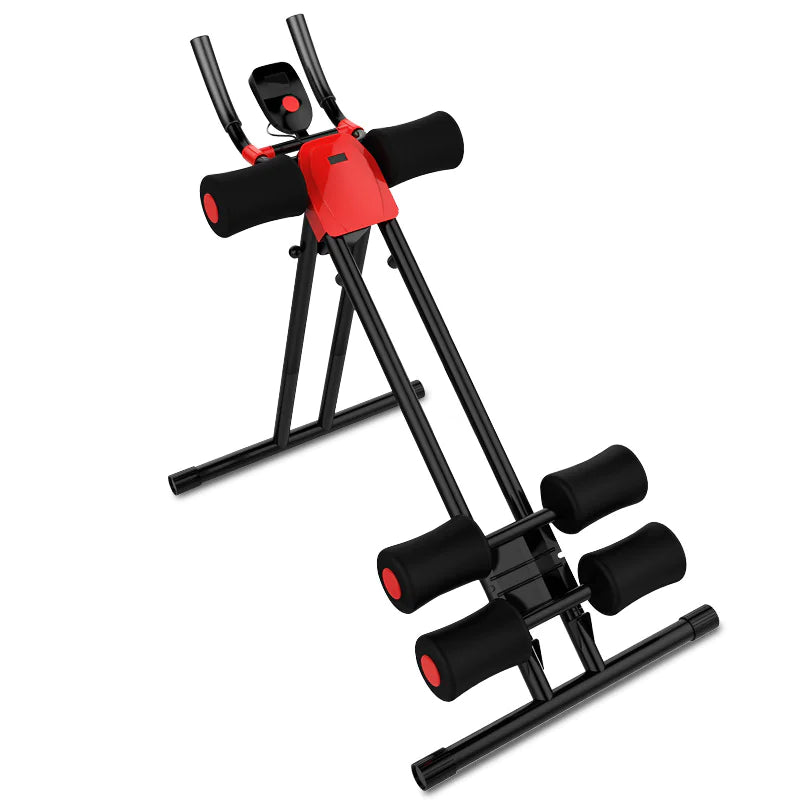
Core Strength Unleashed: A Guide to Ab Workouts
Share
Frequently Asked Questions
1. Why is core strength important?
2. What are some effective core exercises?
3. How often should I work on my core?
4. What role does nutrition play in core strength?
5. How can I track my progress in core workouts?
It’s no secret that the core is the powerhouse of the body. When you think about fitness, having a strong core is essential not only for aesthetics but for overall functionality and performance. In this article, we will delve into the significance of core strength, the role of ab workouts, and provide you with valuable exercises to incorporate into your routine. Let’s get started on this journey toward a stronger, healthier you!
Why Core Strength Matters
Core strength encompasses more than just your abs. It involves your entire torso, including muscles in your back, sides, and hips. Building core strength can enhance your daily activities and athletic performance. Here are several reasons why core strength is crucial:
Improved Stability and Balance
A strong core contributes significantly to your stability and balance. Whether you’re performing a yoga pose, playing sports, or even just walking, a stable core allows for better posture and weight distribution. This stability prevents injuries and falls, especially as we age.
Enhanced Athletic Performance
Many physical activities rely on a robust core. From running to swimming and lifting weights, a strong core provides a solid foundation for power and agility. Athletes often focus on core workouts to improve their performance, as it allows for better control over movements.
Reduced Risk of Injury
When your core muscles are weak, other muscles may compensate, leading to imbalances that can cause injury. A strong core helps protect your back and improves your body mechanics, minimizing the likelihood of injuries in both daily activities and workouts.
Better Posture
Having a strong core is directly linked to maintaining good posture. A strong, flexible core can keep your spine aligned and balanced, which helps reduce the strain on your back and neck. Good posture is essential not only for physical health but also for improving confidence and presence.
Improved Daily Functional Movements
Our core muscles are involved in almost every movement we make. From sitting to standing, climbing stairs, and even reaching for objects, a strong core allows for smoother functional movements. This is particularly important for maintaining independence and mobility as we age.
Understanding the Components of Core Strength
Core strength is built on various muscle groups working in unison. Here are the primary muscles involved:
- Rectus Abdominis: Commonly referred to as the “six-pack” abs, this muscle is crucial for flexing the spine.
- Transverse Abdominis: The deepest layer provides stability to the trunk and pelvis.
- Obliques: Located on the sides, these muscles are key for rotational movements.
- Erector Spinae: These back muscles help maintain upright posture and spinal alignment.
- Pelvic Floor Muscles: Vital for core stability, these muscles support the pelvis and bladder.
Essential Ab Workouts for Core Strength
Integrating a variety of ab workouts can improve your core strength significantly. Here are some effective exercises to consider:
Plank Variations
The plank is a staple in core workouts due to its versatility and effectiveness. Here are a couple of variations:
- Standard Plank: Lie face down and lift your body off the ground, balancing on your toes and forearms. Keep your body straight and hold for up to 60 seconds.
- Side Plank: Shift onto your side, supporting your body with one forearm. Keep your body straight and hold, then switch sides.
Crunches
Crunches focus specifically on the rectus abdominis muscle. Here’s a way to maximize their effectiveness:
- Reverse Crunch: Lie on your back with legs in the air. Curl your hips and knees towards your chest, then slowly lower back down.
Leg Raises
Leg raises target the lower abs, an area often neglected in standard workouts:
- Standard Leg Raise: Lie flat on your back with your legs straight. Slowly raise your legs to a 90-degree angle and lower them back down without touching the ground.
Bicycle Crunches
This dynamic move targets multiple core muscle groups:
- Bicycle Crunch: Lie on your back with your legs raised. Bring your knees in while twisting your torso to touch your elbow to the opposite knee. Alternate sides.
Russian Twists
Russian twists are excellent for working the obliques:
- Standard Russian Twist: Sit on the ground and lean back slightly. Hold your hands together and rotate from side to side, tapping the ground beside you.
Creating an Effective Core Workout Routine
To see results, it’s essential to create a well-rounded core workout routine. Here’s a simple guide to help you structure your routine:
Determine Your Frequency
For optimal results, aim to work on your core 2-3 times per week. This spacing allows for recovery and significant muscle fatigue.
Incorporate Variety
To prevent plateauing and boredom, mix your ab workouts. Combine exercises targeting various muscle groups, varying repetitions, and modifying difficulty.
Monitor Your Form
Quality over quantity is vital in core workouts. Ensuring that you perform exercises with the correct form reduces injury risk and maximizes effectiveness.
Include Other Strength Training
Complement your ab-focused workouts with other weight or bodyweight exercises that engage your core, such as squats, push-ups, or deadlifts.
The Role of Nutrition in Core Strength
While workouts are vital for building core strength, nutrition should not be overlooked. A healthy diet supports muscle recovery and growth. Here are some tips:
- Focus on Lean Proteins: Foods like chicken, fish, and legumes provide your body with essential amino acids for muscle repair.
- Incorporate Healthy Fats: These are important for joint health and overall bodily function and can be found in avocados, nuts, and olive oil.
- Stay Hydrated: Proper hydration supports muscle function, digestion, and recovery, making water an essential part of your nutrition plan.
- Don’t Skip Fiber: A fiber-rich diet supports digestion, allowing your body maximally to absorb nutrients.
Monitoring Progress and Staying Motivated
Tracking your progress can be a huge motivator in reaching your fitness goals. Here are a few methods to keep yourself accountable:
Set Specific Goals
Rather than vague ambitions, set SMART goals: Specific, Measurable, Achievable, Relevant, and Time-bound. For instance, aim to hold a plank for 90 seconds by the end of the month.
Keep a Workout Journal
Logging your exercises and sets helps visualize your progress, pushing you to maintain consistency and dedication.
Celebrate Milestones
Take the time to celebrate your achievements—big and small. Whether it’s completing a challenging workout or a fitness milestone, acknowledging your progress can boost your motivation.
The Final Stretch: Enjoying Your Core Workout Journey
Understanding the importance of core strength and incorporating effective ab workouts into your routine will lead to better stability, improved athletic performance, and reduced risk of injuries. As you embark on your core workout journey, remember to mix it up, maintain proper nutrition, and stay motivated. With dedication and a strategic approach, you’ll not only see results but also enjoy the journey toward achieving your fitness goals. Embrace the process and feel empowered as you cultivate a stronger core!